

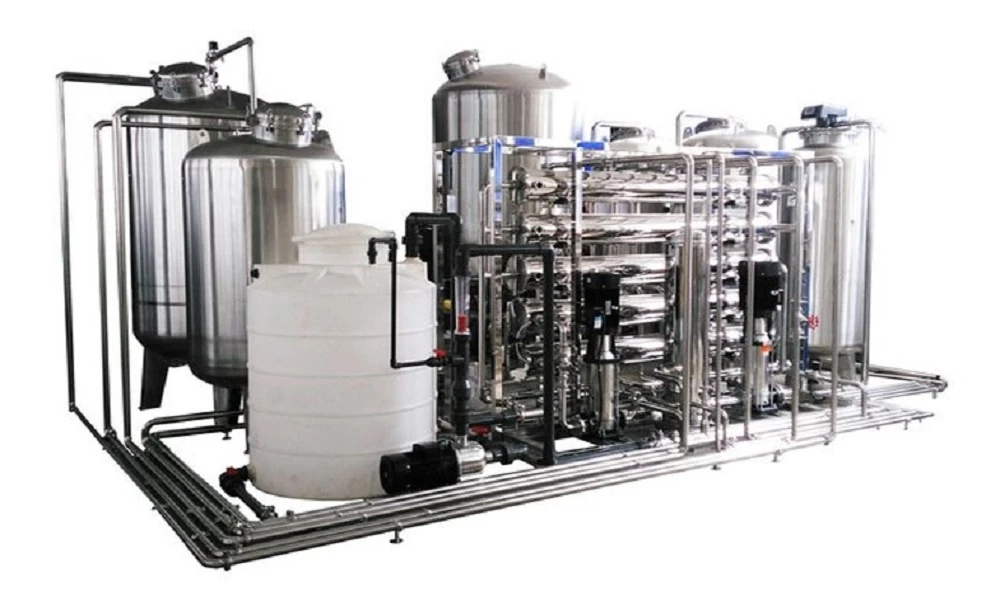
As businesses continue to prioritise operational efficiency in 2026, water quality has become an increasingly important consideration. Many business owners focus on equipment, staffing, and customer service but overlook the role water quality plays in daily operations. In reality, poor water quality can affect equipment lifespan, maintenance costs, and the quality of products or services delivered to customers.
Commercial water filtration is no longer just a consideration for specialised industries. Businesses across hospitality, healthcare, retail, and manufacturing are recognising the value of cleaner and more consistent water.
Why Businesses Are Investing in Water Filtration
In many businesses, water runs through equipment several times a day. Even treated water can still have minerals, chlorine, and sediment that slowly affect how well your equipment works.
Businesses often choose filtration to improve water quality, protect their equipment, and cut down on maintenance costs. In places like cafés and restaurants, where water affects what customers get, filtration also helps keep products consistent.
Water quality concerns commonly involve:
- Hard water minerals
- Chlorine and chemical residues
- Sediment buildup
- Microbial contamination in untreated sources
If these problems are not fixed, they can make your business run less smoothly.
What Business Owners Should Consider
Picking a commercial filtration system takes more planning than choosing one for a home. Business owners should think about how much water they use each day, their busiest times, what their equipment needs, and how often maintenance is needed.
System capacity is key. Your filtration system should be able to keep up with your business’s needs without slowing down water flow or causing interruptions.
Maintenance is also important. Even the best systems need regular service and filter changes to keep working well.
It’s also smart to look at long-term operating costs, not just what it costs to install the system.
Types of Commercial Water Filtration Systems
Different businesses require different filtration technologies depending on their water usage and contamination concerns.
Sediment filtration is commonly used to remove dirt, rust, and larger particles before they reach sensitive equipment.
Carbon filtration helps reduce chlorine, odours, and compounds that affect taste, making it ideal for hospitality businesses.
Reverse osmosis systems provide advanced purification and are often used where high water purity is required.
UV filtration is commonly used where bacterial protection is necessary.
Common Mistakes Business Owners Make
One of the most common mistakes is assuming all filtration systems offer the same level of protection. In reality, systems are designed to solve different water quality problems.
Another mistake is underestimating water usage. Installing an undersized system can reduce efficiency and increase maintenance costs.
Skipping professional water testing is also a common issue. Without understanding your water quality, choosing the right filtration system becomes difficult.
Choosing the Right Commercial System
The best commercial water filtration system is the one that fits your business’s needs and water quality. Getting a professional assessment can help you find the right solution and avoid extra costs.
To compare available options, explore Commercial Water Filters and learn more about systems designed for modern business environments.
Conclusion
Commercial water filtration has become an essential investment for many businesses in 2026. Cleaner water can improve equipment efficiency, reduce maintenance costs, and support better product or service quality.
By understanding your water usage and choosing the right filtration system, you can make a smarter investment that supports long-term business performance and operational reliability.
