

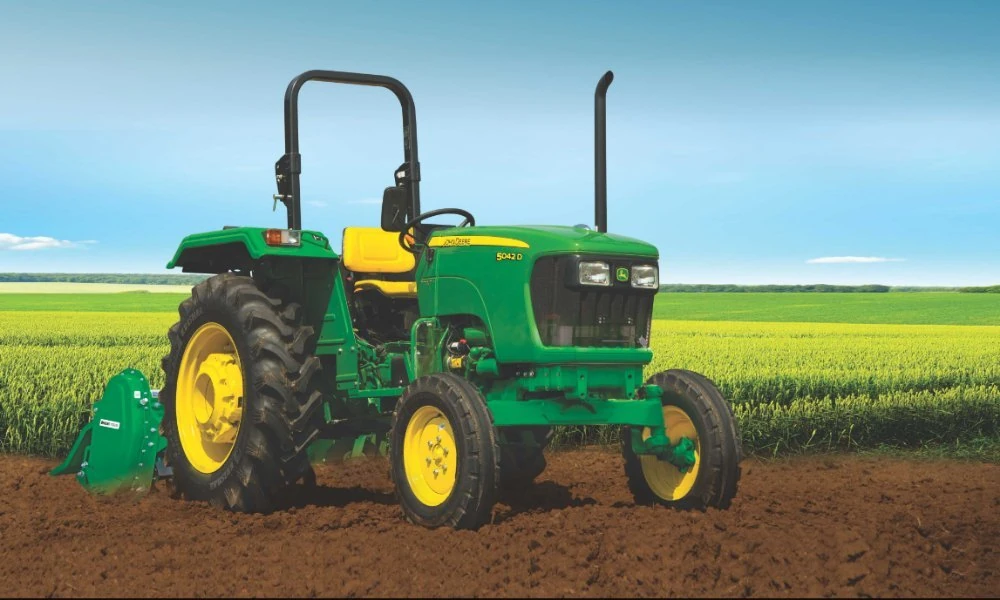
You have to make more than a price or engine comparison between a compact tractor and a riding mower. There are various types of outdoor work that each machine is engineered to handle, and using the wrong machine can cause unnecessary costs and deficiencies in performance. It’s helpful for purchasers to understand some of the usual pitfalls of the comparisons so they can make an informed and practical decision.
When making a practical choice, it helps to look beyond basic specifications and consider how each machine fits your property, workload, and future needs. A closer Tractor Face Off John Insights comparison can make it easier to understand differences in versatility, operating costs, attachment options, comfort, and overall suitability. Taking this broader approach can help prevent common buying mistakes and ensure you select equipment that delivers useful performance without paying for features you are unlikely to need.
Focusing Only on Purchase Price
The most frequent error people make is to select the machine that seems to be the cheapest purchase. We’ll be honest, it’s about cost, but it’s not just the price that it costs to buy. Expenses can add up in the long run when storing, replacing parts, attachments, and maintenance are all considered, as well as fuel. Compare the overall costs before making a decision.
More Power Is Always Better.
More hp might seem to mean more performance, but that isn’t always the case. Fitting a slightly faster machine than usual is going to cost more money for buying and running. However, choose engine power and total capacity to the task you intend to use them for.
Main Purpose is the act of disregarding the principal purpose.
Compact tractors and riding mowers are each strong in various areas. Riding mowers are usually used to efficiently cut the grass and compact tractors are usually constructed for broader use in property maintenance. If you don’t know what material you are likely to need equipment for, you may be buying equipment that you wouldn’t be using for that purpose.
Overlooking Property Conditions
One of the other errors is overlooking the size, topography and layout of the home. Think about slopes, uneven surfaces, narrow gates, landscaping, trees and other hazards. An open space performance may not be convenient in a smaller or more complex space. Take measurements of key access points before buying.
Underestimating Attachment Needs
Sometimes the buyer concentrates on the immediate need and not on future projects. Lots of load attachments can work on a compact tractor which will be used for hauling, tilling, grading and landscaping. Keep in mind that property maintenance needs may grow over time and so might the machine; if you think that it needs more accessories later, make sure they can be added on.
Neglecting Operator Comfort
Failure to consider comfort will make using equipment an inconvenience and a tiring task. Look at the seats, view, controls location, steering, vibration and ease of entry. If possible, check and/or test various machines before choosing that which seems most comfortable to use.
Forgetting Maintenance and Service
If a machine can’t be maintained properly, it isn’t useful. Research the service packages, parts and service availability, and warranty provisions, along with local repair capabilities. Equipment that does not provide a good service option can cause problems and unforeseen downtime later on.
Conclusion
By knowing what to avoid, purchasing can be a lot easier. Take into account the machine’s function, property conditions, attachments, specifications, comfort, maintenance, and long-term costs, rather than just the price or power.
