

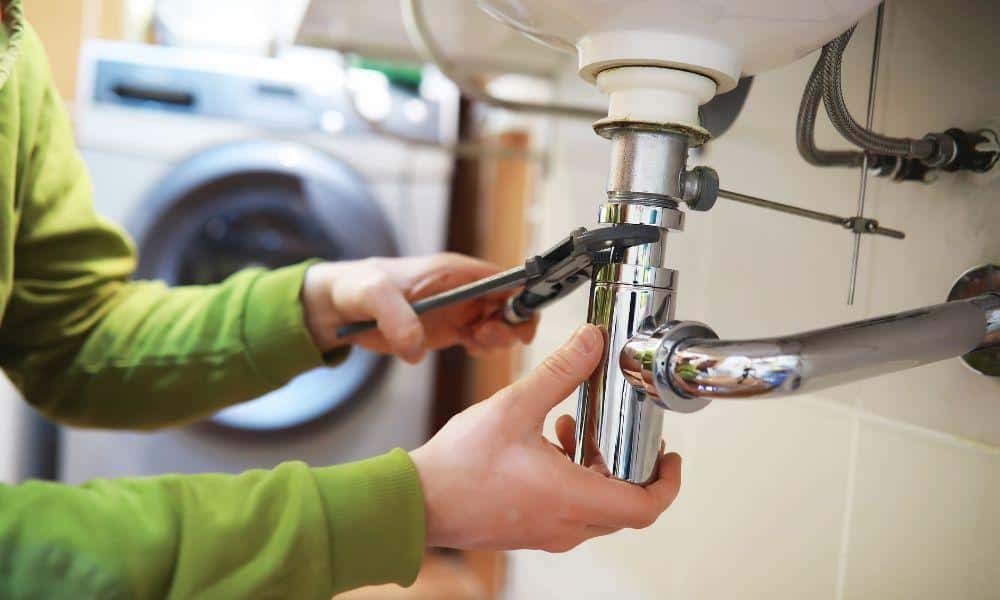
Installing a residential water pump system is a detailed process that requires careful planning, proper equipment selection, and skilled execution. A well-installed system ensures consistent water movement, protects your home from flooding, and maintains the overall efficiency of your plumbing and drainage setup. Working with an experienced professional such as a Top Rated Plumber in Marietta helps ensure the installation is completed correctly and performs reliably over time.
Selecting the Appropriate Pump System
Choosing the right pump is a critical step in the process. Residential water pump systems come in different types and capacities, depending on the specific needs of the property. Factors such as basement size, water table levels, and expected water volume influence the selection.
A professional will recommend a pump that matches the household’s requirements, ensuring it can handle peak water loads without overworking. In some cases, backup systems may also be suggested to provide additional protection during power outages or heavy rainfall.
Preparing the Installation Area
Once the system is selected, the installation area must be properly prepared. This involves marking the location, excavating if necessary, and creating space for the sump pit or pump basin. The area must be clean, stable, and positioned in a way that allows efficient water collection and discharge.
Proper sealing and structural preparation are important to prevent leaks and ensure the system remains stable after installation.
Installing the Pump and Associated Components
The pump unit is then placed into the prepared pit or designated location. It is connected to the necessary piping, discharge lines, and valves that direct water away from the home. Electrical connections are also established to power the system safely.
All components must be aligned correctly to ensure smooth operation. A Top Rated Plumber in Marietta follows industry standards during installation to avoid issues such as improper drainage, air locks, or inefficient pumping.
Testing the System for Performance
After installation, the system undergoes thorough testing. The plumber simulates water flow to ensure the pump activates at the correct level and effectively removes water from the area. They also check for leaks, unusual noises, and proper discharge flow.
This step confirms that the system is functioning as intended and that all components are working together efficiently.
Final Adjustments and Maintenance Guidance
Once testing is complete, any necessary adjustments are made to optimize performance. The plumber may calibrate float switches, secure connections, and ensure that backup systems are ready if installed.
Homeowners are also provided with maintenance guidelines, such as periodic inspections, cleaning schedules, and signs to watch for that may indicate potential issues. Proper maintenance helps extend the lifespan of the system and ensures consistent performance.
Understanding the process of installing a residential water pump system highlights the importance of careful planning, professional expertise, and quality equipment. By working with a skilled Top Rated Plumber in Marietta, homeowners can achieve a reliable installation that protects their property and ensures efficient water management for years to come.
