

As global temperatures continue to fluctuate and energy costs remain a primary concern for American households, the focus on home climate control has shifted from simple cooling to sophisticated energy management. In the past, a standard air conditioner was judged solely on its ability to reach a target temperature. Today, the modern homeowner demands a system that balances peak performance with a minimal environmental footprint and lower monthly utility bills. Transitioning to energy efficient AC upgrades is no longer just a trend for the eco-conscious; it is a strategic financial move that protects your property value and ensures long-term residential comfort. By integrating advanced technology into your existing HVAC infrastructure, you can transform your home into a high-performance sanctuary that stands up to the most intense summer heatwaves.
The evolution of cooling technology has introduced a suite of enhancements designed to address the specific inefficiencies of older units. From the way motors consume electricity to how air is distributed through various zones of a house, every aspect of the cooling cycle has been refined. Understanding these enhancements allows you to make informed decisions about which components are worth the investment and which will provide the fastest return through energy savings.
The Power of Variable-Speed Technology
Traditional air conditioning units are often referred to as “single-stage” systems. This means they are either running at 100% capacity or they are completely off. This binary operation is inherently inefficient because the system frequently “short-cycles,” turning on and off to maintain a temperature. This process consumes a massive amount of surge electricity during startup and leads to significant wear and tear on the compressor.
In contrast, one of the most effective enhancements is the variable-speed compressor. These units can adjust their output in increments, often running at as low as 25% capacity to maintain a steady, even temperature. Because the system stays on for longer periods at a lower speed, it is much more effective at removing humidity-a critical factor in perceived comfort in many US regions. This steady-state operation reduces the electrical load and prevents the temperature swings often associated with older equipment.
Smart Thermostats and Automated Climate Control
The “brain” of your cooling system has also seen a massive upgrade. A smart thermostat is perhaps the most accessible enhancement for any homeowner looking to improve efficiency. These devices do far more than just follow a programmed schedule; they learn your habits, sense when you have left the house via geofencing, and can even adjust cooling based on local weather forecasts.
By ensuring the AC isn’t cooling an empty house, smart thermostats can reduce cooling costs by an average of 10% to 15%. Furthermore, these devices provide valuable data, allowing you to see exactly when and where your energy is being spent. This transparency empowers homeowners to make behavioral changes, such as slightly increasing the temperature during peak demand hours to save on “time-of-use” electricity rates.
Zoned Cooling and Air Distribution
In many larger homes, cooling the entire house to the same temperature is a waste of energy. Guest rooms, formal dining areas, or basements may not require the same level of climate control as a primary bedroom or a home office. Zoned cooling systems use a series of motorized dampers within the ductwork to redirect air only to the rooms that currently need it.
When combined with energy efficient AC upgrades, zoning allows for a highly personalized comfort experience. Instead of one thermostat trying to represent the average temperature of the entire house, each zone has its own sensor. This prevents the common problem of the upstairs being sweltering while the downstairs feels like a refrigerator. By focusing cooling efforts where people actually spend their time, you significantly reduce the total load on the outdoor condenser unit.
High-Efficiency Air Filtration and Airflow
Efficiency isn’t just about the compressor; it’s also about how easily air can move through the system. Upgrading to high-efficiency pleated filters or electronic air cleaners can reduce the static pressure on your blower motor. When a motor doesn’t have to “fight” to pull air through a dirty or low-quality filter, it consumes less power and runs cooler, which extends the life of the internal bearings and windings.
Key Benefits of Modern Cooling Enhancements
If you are weighing the cost of an upgrade against your current monthly expenses, consider the following cumulative benefits that modern technology brings to a residential setting:
● Significant Utility Savings: High-SEER2 (Seasonal Energy Efficiency Ratio) units can lower monthly cooling costs by 20% to 50% compared to units from the early 2000s.
● Enhanced Dehumidification: Better moisture removal makes a home feel cooler at a higher temperature, allowing you to set the thermostat higher without losing comfort.
● Reduced Noise Pollution: Advanced fan blade designs and sound-dampening compressor blankets make modern units whisper-quiet during operation.
● Increased Property Value: Energy-efficient homes are highly attractive to modern buyers and often command a higher resale price.
● Tax Credits and Rebates: Federal programs, such as those under the Inflation Reduction Act, offer substantial tax credits for installing high-efficiency HVAC equipment.
● Environmental Responsibility: Lower energy consumption directly translates to a smaller carbon footprint and less strain on the local power grid.
The Importance of Professional Installation
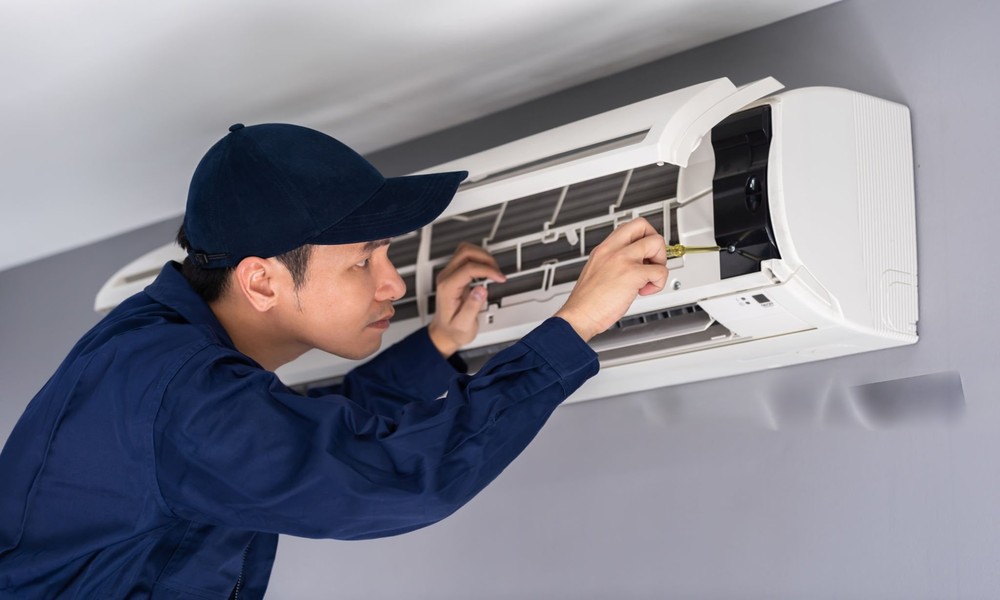
It is vital to remember that the efficiency ratings on the yellow EnergyGuide label are only achievable if the system is installed correctly. An improperly sized unit-whether too large or too small-will fail to deliver the promised energy savings. A professional HVAC technician will perform a Manual J load calculation to ensure the system is perfectly matched to your home’s square footage, insulation levels, and window orientation. This precision ensures that your enhancements work in harmony with the rest of your home’s infrastructure.
Conclusion
Investing in modern cooling enhancements is a proactive way to combat rising energy costs while elevating your standard of living. By embracing variable-speed technology, smart controls, and zoned air distribution, you move away from the “brute force” cooling methods of the past and toward an intelligent, efficient future. These upgrades don’t just pay for themselves through lower bills; they provide a more stable, quiet, and comfortable environment for your family. Don’t wait for your current system to fail in the heat of July. Take the first step toward a high-efficiency home today and enjoy the peace of mind that comes with a truly modern cooling solution.
