

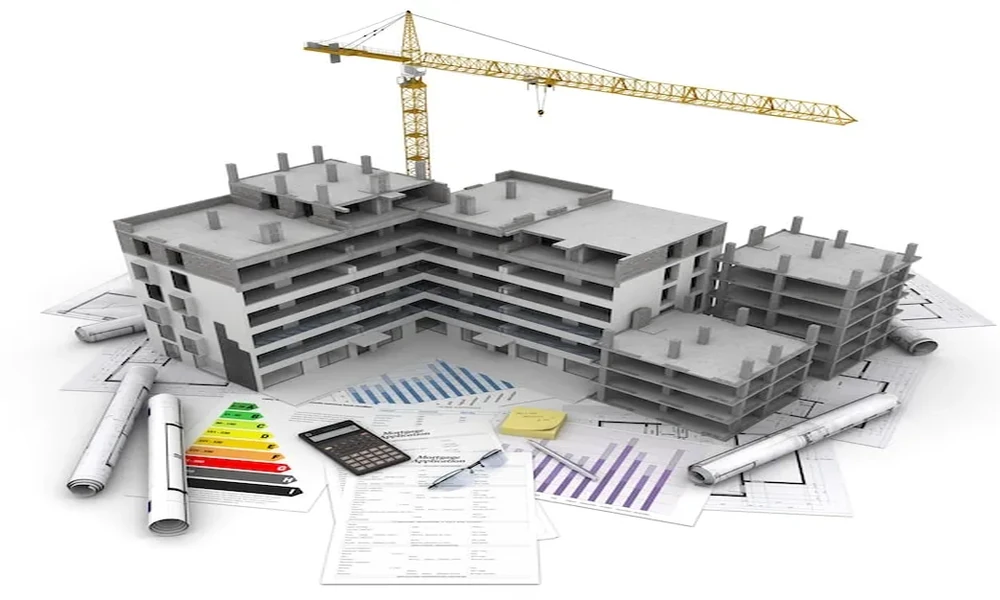
Purchasing a home under construction means you’ll experience a different cash-flow than with an already completed home. Buyers usually make payments over time, as construction progresses toward the designated stages. This can simplify the buying process, provided there is an understanding of the time.
The phrase ‘progressive payment’ can sound simple, yet the real impact depends on the purchase agreement, loan structure, CPF usage and how quickly construction progresses. Buyers should map the stages before booking so they know when cash and financing will be required.
Start with the contract, not a generic chart
Progressive payment schedules are tied to contractual milestones such as foundation work, structural completion, walls, roofing, services and completion. A generic online example can explain the concept, but the actual Sale and Purchase Agreement is what governs the buyer’s obligations.
For buyers tracking Dorset Gardens, the official payment schedule released with the private-condominium sales documents will be the useful reference when the project launches. It is better to build a budget around confirmed percentages and dates than around assumptions from another development.
Loan instalments can rise gradually
Because the bank disburses the housing loan in stages, mortgage servicing may begin at a lower amount and increase as more of the loan is drawn. That can feel comfortable early on, but buyers should prepare for the later instalment rather than judging affordability by the first few months.
Run the budget using the expected full loan amount and a reasonable interest-rate buffer. If the household can manage only the early progressive instalments, the property is not truly affordable. The final financing burden matters more than the temporary starting point.
CPF and cash need their own timeline
Buyers may use a combination of CPF savings, cash and bank financing. The order and availability of those funds should be discussed with the lawyer and lender before each stage becomes due.
A simple spreadsheet can show the expected payment milestone, estimated amount, source of funds and remaining reserves. This helps households avoid using renovation or emergency savings for an instalment they knew was coming but had not placed on a calendar.
EC buyers should confirm the applicable purchase framework
Executive Condominiums are sold under a distinct housing framework, so eligible buyers should understand the booking, financing and progressive payment requirements that apply to the specific project rather than assuming every private launch follows identical procedures.
Households considering Clovelle of Woodlands should verify current HDB eligibility and financing rules alongside the eventual developer payment schedule. The two questions are connected but not interchangeable: qualifying to buy the EC does not by itself explain how each construction-stage payment will be funded.
Construction speed affects cash flow
Milestones are linked to work completed, not to a buyer’s preferred dates. If construction progresses smoothly, several stages can occur within a relatively short period. Buyers need enough liquidity to respond even if payments arrive earlier than their rough personal estimate.
Conversely, a slower project can delay later disbursements. That may reduce short-term mortgage outgoings, but it can also postpone moving plans. A household renting while waiting for completion should include that overlap in its budget.
Keep money aside for the final stretch
Completion brings more than the last property payment. Moving, renovation, furniture, appliances, maintenance deposits and other setup costs can cluster around the same period.
That is why buyers should resist using every spare dollar during the construction years. A reserve makes the handover far less stressful and leaves room for unexpected expenses, defects-related coordination or changes in household income.
Coordinate payment stages with loan arrangements
Loan approvals and package terms are not timeless. Buyers should understand how long an offer remains valid, when disbursement begins and whether later stages are affected by changes in interest rates or bank conditions.
Keep the lender informed if the construction timeline shifts materially. Clear communication helps the household avoid assuming that an early financing quote will remain unchanged throughout a multi-year building period.
Conclusion
A progressive payment scheme spreads the purchase across construction milestones, but it does not reduce the total financial commitment. Its real advantage is that it gives buyers time to prepare if they understand the schedule and plan each stage.
Use the official contract, coordinate with the lender and lawyer, and budget for the full eventual mortgage rather than the early instalments. A buyer who knows when money is needed can treat the construction period as a planned journey instead of a series of financial surprises.
