

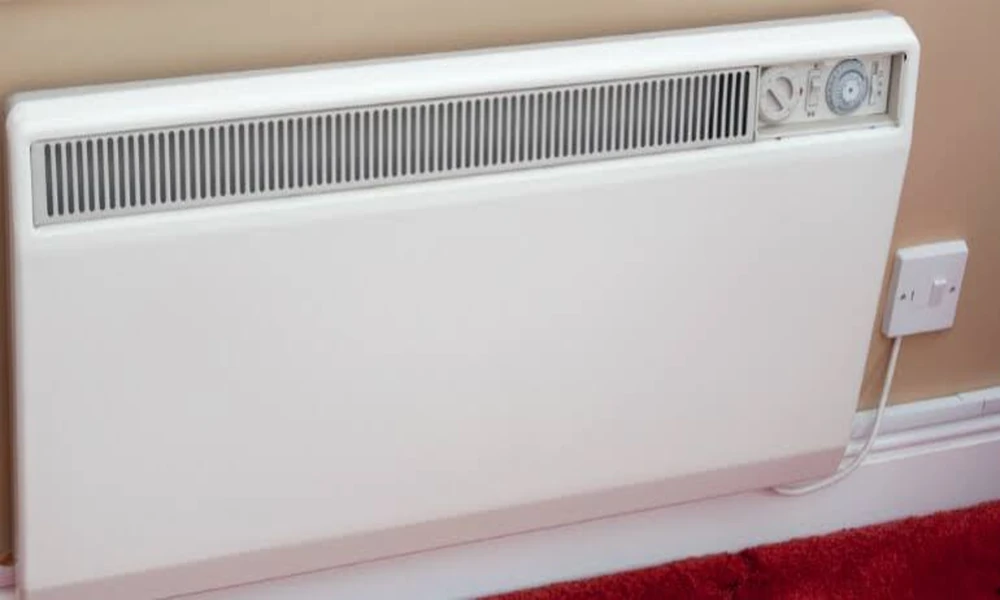
Older homes present specific heating challenges that modern central heating systems do not always address well. Rooms added to properties at different periods may not be connected to the central heating circuit. Period features – original fireplaces, heritage joinery, listed building restrictions – may limit or prohibit the structural work needed to extend pipework. And the fabric of older buildings, with their solid walls and single-glazed windows, may mean that central heating struggles to reach comfortable temperatures in the coldest rooms without supplementary support.
Why Electric Works in Older Properties
The [object Object] requires only an electrical connection – no pipework, no boiler modification, and no structural work beyond routing a cable. In properties where extending the central heating circuit would require significant disruption to period features, or where listed building consent would be needed for structural modifications, this simplicity is a genuine practical advantage rather than a compromise.
Room-by-Room Flexibility
Older properties often have rooms with very different heating requirements – south-facing rooms that solar gain heats naturally in winter sunshine, north-facing rooms that are consistently colder, basement spaces used for storage rather than living. Electric radiators allow each space to be heated to the temperature appropriate for its use without the constraint of being part of a single connected circuit that heats everything to a single set point.
Running Costs in Context
The higher unit cost of electricity compared to gas is the principal concern with electric heating in older properties. The economics depend on the specific situation: a room that needs occasional heating rather than continuous warmth, supplementary heating for a few hours of the coldest weather, or a space where the cost of central heating extension would not be recovered over the expected ownership period. Smart [object Object]-style product thinking – the right tool for a specific need rather than a one-size-fits-all solution – applies equally to home heating choices.
Modern Controls on Classic Problems
The best current electric radiators come with controls that were not available to earlier generations of the technology: WiFi connectivity allowing remote control from a smartphone, occupancy-sensing that adjusts temperature based on whether the room is in use, and open-window detection that pauses heating when a window is opened to prevent energy waste. These features address the running cost concern by ensuring that energy is used only when and where it is actually needed.
