

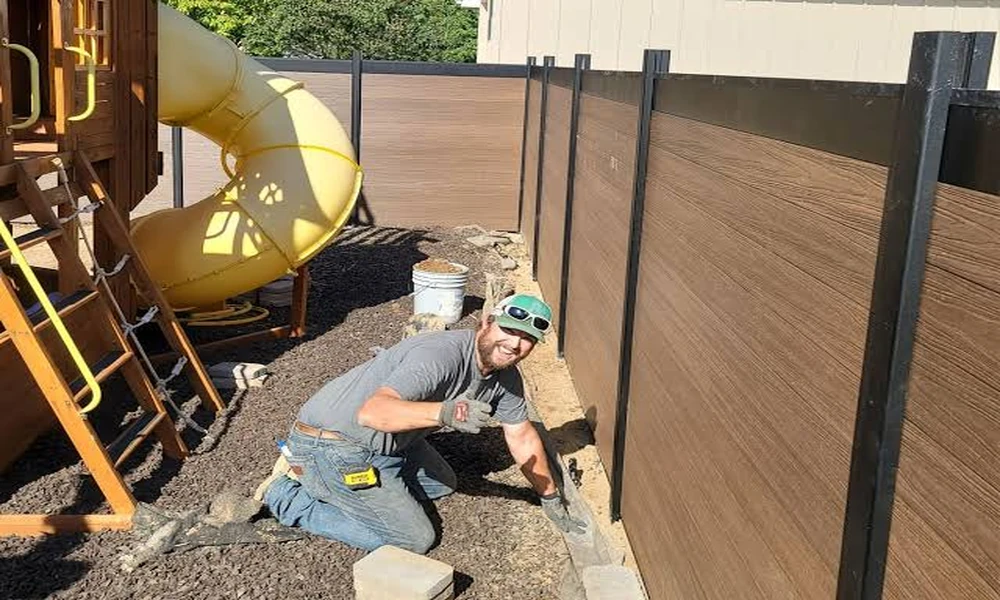
A fence looks like a straightforward weekend project until the details pile up. Property lines, city height limits, buried utilities, hard valley soil, and corner-lot sight rules determine what can go where. Getting one of them wrong can mean a torn-out fence or a dispute with a neighbor. With professional fence installation services, these details can be handled before the first post goes in.
Knowing Boise’s Fence Rules Before Building
Boise sets clear limits on where and how high a fence can go. In a front-yard setback, a solid fence tops out at 36 inches, or 48 inches if it is open-vision, while side and rear lines allow up to 72 inches. Corner lots have a clear-vision triangle where nothing can top 36 inches, which keeps drivers’ sightlines open. A fence in the public right-of-way needs approval from the local highway district. A crew that works in Boise builds to these rules, so the fence does not have to come down later.
Finding the Property Line and the Easements
Fence placement can become an expensive mistake if the posts cross a property line. In the Treasure Valley, irrigation channels and utility easements can also restrict where a fence may go. Before work starts, the property line should be checked against a survey, and any recorded easements need to be reviewed. Moving or rebuilding a finished fence costs more than checking those details before the first post goes in.
The Work That DIY Usually Underestimates
Even a willing homeowner can misjudge parts of the job:
- Calling for utility locates. Idaho law requires locating buried lines before digging, and hitting a gas or power line is dangerous and expensive.
- Digging the valley’s soil. Clay and caliche resist a hand tool, and setting posts below the frost line takes the right equipment.
- Keeping a long stretch straight and level. Lining up posts over uneven ground is harder than it looks and shows in the finished fence.
- Hanging gates that stay square. A gate that sags or drags is the first thing to fail on a home-built fence.
Why the Investment Pays Off
Professional work costs more than renting an auger for a weekend, and it lasts longer and avoids the expensive errors. A crew brings the equipment for hard ground, the knowledge of local code, and the experience to set a fence that stays straight and square. Petrified Fence handles the permits, property-line check, utility locates, and installation as one process, so the homeowner is not left to piece it together. The result is a fence built once and built correctly.
What the Process Looks Like Start to Finish
A professional job starts with a visit to measure the yard, talk through goals, and look at the ground and the lot lines. The company then pulls any required permit and calls in the utility locate before a shovel touches the soil. Installation sets the posts, lets the footings cure, and hangs the panels and gates. A final walkthrough checks that the fence is straight, the gates swing clean, and the site is cleared. Knowing these steps helps a homeowner tell a thorough company from one that skips ahead.
How to Judge a Fence Company
Not every contractor does the work to the same standard. Ask whether the company is licensed and insured, and whether it pulls the permits or leaves that to the owner. A fair bid lists the materials, the post depth, and the footing method in writing. Local references and reviews from nearby neighborhoods tell a homeowner how the company’s fences hold up over time. Clear answers to these questions separate a solid crew from the cheapest quote.
Building It Right the First Time
A fence touches property lines, city rules, and buried lines all at once, and each carries a cost if handled wrong. Hiring a crew that knows Boise turns those risks into routine steps. Most homeowners find that is the difference between a fence that stands for decades and one that brings headaches within the year.
