

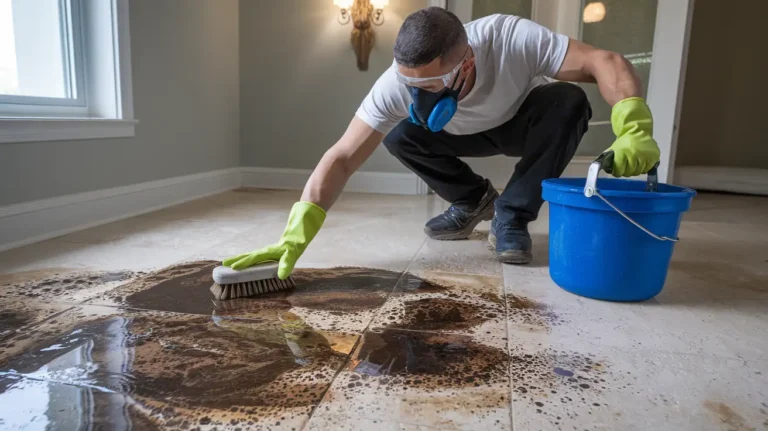
Travertine presents unique challenges for cleaning professionals. It is difficult to work with acid, alkali, or abrasive limestone. A pH imbalance affects calcium carbonate composition. Etching happens fast. Permanent damage occurs easily. Professionals who specialize in natural stone have developed specific protocols for travertine that differ completely from standard tile maintenance. These methods protect the material while achieving thorough cleaning results. https://tileandgroutcleaningsunshinecoast.com.au focus on natural stone care because travertine needs expertise that general cleaning companies typically don’t have. The wrong product or technique ruins travertine floors in minutes.
pH neutral solutions
Acidic cleaners destroy travertine. Most bathroom cleaners contain acids that eat away at calcium carbonate. A chemically eroded surface will show dull spots or rough patches. Alkaline cleaners cause different problems, but equally serious ones. Professional stone cleaners stock pH-neutral products exclusively for travertine work. These specialized solutions cost more than regular cleaners. They’re formulated to lift dirt through surfactant action rather than chemical reactions. Water temperature gets controlled, too. Lukewarm works best. Cold water doesn’t clean effectively. Hot water shocks the stone and causes micro-cracking over time. Dilution ratios matter. Professionals measure precisely because concentrated solutions leave films, while weak mixtures don’t clean properly. Testing happens on hidden sections before treating visible areas.
Soft bristle equipment
Travertine scratches easily. Metal brushes are obviously out. Hard nylon bristles damage it, too. For delicate stone, they use horsehair brushes or synthetic fibers. A repeated scrubbing should not leave marks. Power equipment requires careful selection:
- Low-speed rotary machines with lamb’s wool pads provide agitation without excessive friction
- High-speed buffers generate heat that can damage travertine and are generally avoided
- The force of pressure washers actually forces contaminants deeper into stone
- Travertine can only be cleaned with steam if you are cleaning grout lines
Hand cleaning with proper tools frequently produces better results than rushed machine work. Patience matters more than power here.
Immediate spill response
Porosity creates urgency. Liquids soak into travertine within seconds. Red wine spilt on travertine needs action immediately. Coffee too. Juice stains fast. Professionals blot rather than wipe because wiping spreads the stain wider. Oil-based spills need poultice treatments. These draw oil back out of the pores through absorption. Regular cleaning pushes oil deeper. Extended exposure to water is harmful. Discoloration from standing puddles. Moisture trapped in pores encourages mold growth. Acids must be neutralized immediately. The spill is first cleaned with baking soda. This prevents the acid from etching before removal begins.
Sealing after cleaning
Deep cleaning strips away old sealer along with dirt. Pores open up completely. Fresh sealer goes on while the stone is still clean but fully dry. Penetrating sealers soak into travertine rather than coating the top. This provides protection from within. The stone can still breathe. Surface sealers create films that trap moisture and look unnatural. Application takes skill. Too much sealer causes clouding. Thin, even coats applied with lint-free tools work best. Each coat needs absorption time before the next goes on. Excess gets buffed away immediately to prevent haze. The surface can’t handle traffic for 24-48 hours while curing completes. Rushing this step wastes the entire cleaning effort.
Grout line attention
Grout between travertine tiles tolerates stronger cleaners than the stone itself. Professionals clean grout carefully to avoid splashing onto travertine. Targeted application with small brushes or steam tips keeps treatments contained. Steam works well on grout because brief contact doesn’t harm nearby stone while heat sanitizes and loosens embedded dirt effectively. Professional travertine cleaning does not require the strongest products. It’s about knowing exactly what this stone can handle. The delicate nature of travertine means mistakes cause permanent damage. General cleaners attempting travertine often leave floors worse than they found them. Proper care preserves natural beauty for decades.
