

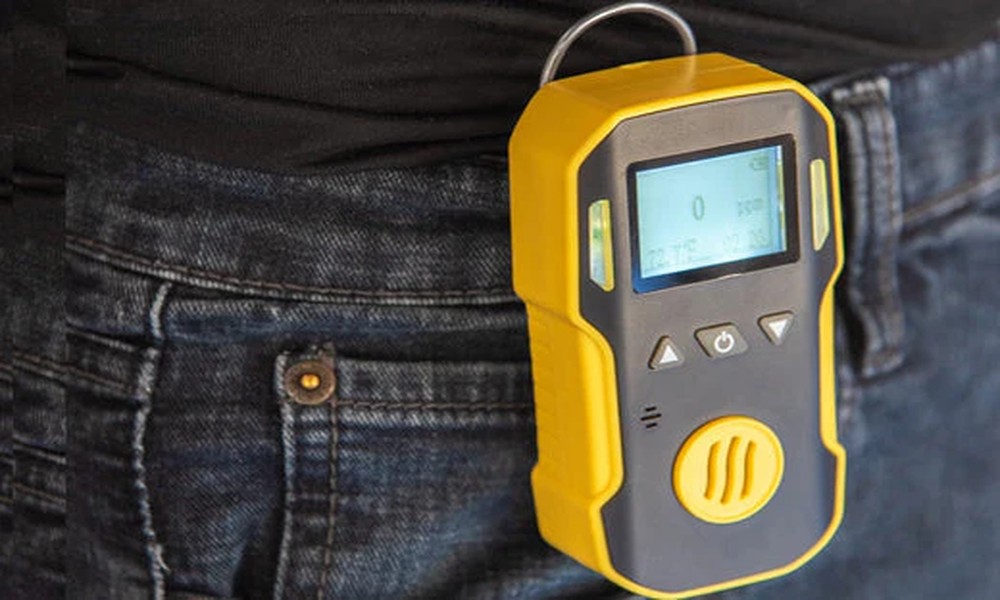
Workplace safety continues to evolve as industries face new operational challenges, stricter compliance requirements, and growing expectations around risk management. As a result, advanced detection technologies are becoming a central part of modern safety strategies. This shift is especially noticeable in environments where hazardous gases such as hydrogen sulfide may be present. Several emerging trends are driving increased demand for more sophisticated monitoring solutions.
1. Greater Focus on Real-Time Hazard Awareness
Organizations are moving beyond periodic inspections and embracing continuous monitoring. Real-time data allows safety teams to identify changing conditions immediately rather than waiting for scheduled assessments.
For locations where hydrogen sulfide exposure is a concern, instant alerts provide a faster response pathway and support more informed decision-making during daily operations.
2. Expansion of Remote and Automated Operations
Industrial facilities are increasingly adopting automation technologies to improve efficiency. While automation reduces direct human involvement in some tasks, it also creates a need for reliable environmental monitoring systems.
A modern h2s monitor becomes a valuable component within these automated environments, providing continuous oversight of gas concentrations while personnel focus on other operational priorities.
3. Stronger Regulatory Expectations
Safety regulations continue to evolve across industries such as energy, wastewater treatment, manufacturing, and chemical processing. Regulatory agencies are placing greater emphasis on hazard detection, documentation, and exposure prevention.
To meet these expectations, companies are investing in advanced monitoring equipment capable of delivering accurate measurements and consistent performance under demanding conditions.
4. Increased Attention to Worker Protection
Organizations are recognizing that employee safety directly influences productivity, retention, and operational stability. Preventing exposure to hazardous gases remains a key objective in many workplaces.
Hydrogen sulfide is particularly challenging because it may be present in confined spaces, processing areas, and other industrial settings. Enhanced detection technology supports safer work environments by providing earlier awareness of potential risks.
5. Integration with Digital Safety Systems
Many modern safety programs now incorporate connected technologies that collect, store, and analyze environmental data. Detection devices are becoming part of broader digital ecosystems that provide visibility across entire facilities.
This integration allows managers to review trends, track safety metrics, and identify recurring concerns before they develop into larger issues.
6. Demand for Portable Monitoring Solutions
Work environments are becoming more dynamic, with personnel frequently moving between locations and project sites. Portable detection equipment allows monitoring capabilities to travel wherever hazards may exist.
A compact h2s monitor is particularly valuable for field operations, maintenance activities, and inspections where fixed monitoring systems may not be practical.
7. Growing Emphasis on Preventive Safety Strategies
Rather than reacting to incidents after they occur, organizations are increasingly prioritizing prevention. Advanced detection technologies align with this goal by identifying potential threats before they escalate.
Preventive safety strategies often reduce downtime, lower operational costs, and strengthen overall risk management efforts.
The Future of Detection Technology
As workplaces continue to modernize, demand for advanced gas detection solutions is expected to grow. Real-time monitoring, digital integration, portability, and preventive risk management are reshaping how organizations approach safety. These emerging trends highlight why detection technologies remain a critical investment for environments where hydrogen sulfide hazards must be carefully managed.
