

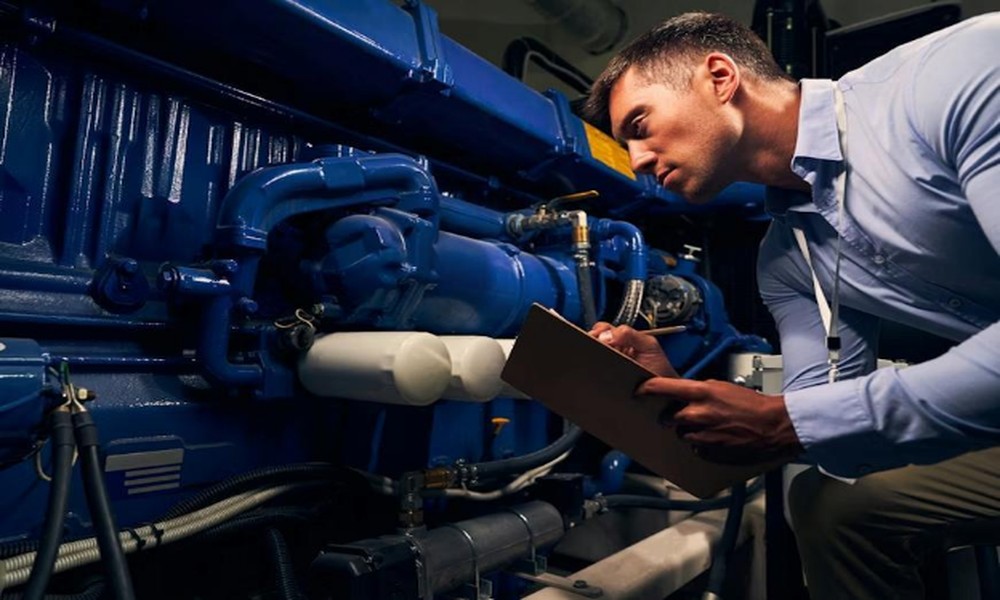
Power outages can happen without warning, especially during severe storms, heavy snow, or grid failures. A dependable generator helps homeowners maintain comfort, protect appliances, and keep essential systems running during emergencies. Regular backup generator maintenance in Buffalo, NY, is one of the best ways to ensure your equipment performs reliably when it matters most. Preventative care also helps extend generator lifespan, improve fuel efficiency, and reduce the risk of unexpected breakdowns during critical situations.
Why Generator Maintenance Matters
Backup generators contain mechanical and electrical components that experience wear over time. Without routine inspections and servicing, small problems can develop into expensive repairs or complete equipment failure. Maintenance keeps the system operating safely while helping homeowners avoid disruptions during storms or emergency power outages.
Common Problems Caused by Neglected Maintenance
Generators that are rarely inspected may experience battery failure, fuel contamination, clogged filters, or overheating. These issues can reduce performance and shorten equipment lifespan. Routine servicing supports consistent operation while improving long-term reliability and energy efficiency for residential and commercial properties.
Inspect the Generator Regularly
Frequent visual inspections are one of the easiest ways to identify developing issues before they worsen. Homeowners should check the generator exterior, the surrounding area, and visible components every month.
What to Look For During Inspections
Look for signs of corrosion, fluid leaks, loose wiring, dirt buildup, or damaged connections. Keep the generator area clean and free from leaves, snow, or debris that may block ventilation. Professional backup generator maintenance in Buffalo, NY can also help identify hidden issues that may not be obvious during routine homeowner inspections.
Change Oil and Filters on Schedule
Like vehicles and HVAC systems, generators rely on clean oil and filters for proper operation. Dirty oil increases friction and heat, potentially damaging internal engine components over time.
Importance of Oil and Filter Replacement
Manufacturers typically recommend oil changes based on operating hours or calendar intervals. Air filters and fuel filters should also be replaced regularly to maintain airflow, fuel quality, and engine efficiency. Following maintenance schedules helps reduce wear while supporting dependable backup power performance.
Key Maintenance Tasks Include:
- Replacing engine oil
- Changing air filters
- Inspecting fuel filters
- Checking coolant levels
- Cleaning battery terminals
- Monitoring fluid leaks
Routine service can improve both generator performance and long-term durability.
Test the Generator Frequently
A generator that sits unused for long periods may fail when needed most. Regular testing confirms the system starts properly and carries electrical loads effectively.
Monthly Generator Exercise Cycles
Most standby generators are programmed to run automatic self-tests, but homeowners should still monitor these cycles. Testing allows technicians to identify unusual sounds, voltage inconsistencies, or startup delays before emergencies occur.
Benefits of Routine Testing
Regular operation helps lubricate engine parts, maintain battery charge, and prevent fuel system issues. It also gives homeowners confidence that the generator is ready for severe weather or unexpected outages.
Keep the Battery in Good Condition
Generator batteries are a common failure point, especially during cold weather conditions. A weak battery may prevent the system from starting during a power outage.
Battery Maintenance Tips
Inspect battery terminals for corrosion, ensure connections remain secure, and test voltage regularly. Replacing aging batteries before failure occurs can prevent emergency service calls and reduce downtime during storms.
Signs Your Generator Battery May Need Attention:
- Slow startup response
- Corroded terminals
- Warning lights on the control panel
- Battery swelling
- Inconsistent exercise cycles
Battery inspections are a critical part of dependable generator operation.
Monitor Fuel Quality and Storage
Fuel quality directly affects generator reliability and efficiency. Old or contaminated fuel can clog injectors, damage components, and reduce performance during emergencies.
Fuel Maintenance Best Practices
Diesel and gasoline generators may require fuel stabilizers to prevent deterioration during storage. Propane and natural gas systems should also undergo regular inspections to ensure safe fuel delivery and pressure regulation.
Proper fuel management supports cleaner operation and helps extend equipment lifespan.
Protect the Generator From Weather Damage
Outdoor generators face constant exposure to changing weather conditions, including snow, rain, humidity, and temperature fluctuations.
Environmental Protection Strategies
Keep drainage areas clear to prevent water accumulation near the generator base. Inspect protective enclosures for damage and ensure ventilation remains unobstructed. Snow and ice removal during winter months is especially important in colder climates to maintain safe operation and airflow.
Professional Maintenance Improves Reliability
While homeowners can perform basic inspections, professional servicing provides more detailed evaluations and preventive care.
What Professional Service Typically Includes
Technicians inspect electrical connections, load performance, transfer switches, engine components, and control systems. They may also perform software updates and diagnostic testing to ensure the generator meets manufacturer standards.
Advantages of Professional Generator Service:
- Improved emergency reliability
- Longer equipment lifespan
- Reduced repair costs
- Better fuel efficiency
- Safer operation
- Compliance with manufacturer warranties
Professional support helps prevent costly failures during major outages.
Create a Generator Maintenance Schedule
Consistent scheduling is essential for keeping maintenance organized and preventing missed service intervals.
Recommended Maintenance Frequency
Many experts recommend monthly inspections, quarterly testing, and annual professional servicing. Homes in severe weather regions or areas with frequent outages may benefit from additional inspections throughout the year.
Tracking maintenance dates, oil changes, and battery replacements helps homeowners stay prepared for future emergencies.
Conclusion
Regular generator maintenance is essential for protecting equipment performance, extending lifespan, and ensuring reliable backup power during emergencies. From oil changes and battery inspections to fuel management and routine testing, preventative care reduces the risk of costly breakdowns and improves long-term efficiency. Professional service also helps identify hidden issues before they affect system reliability. By following a consistent maintenance schedule and investing in proper generator care, homeowners can enjoy greater peace of mind, dependable emergency power, and improved protection during severe weather and unexpected outages.
