

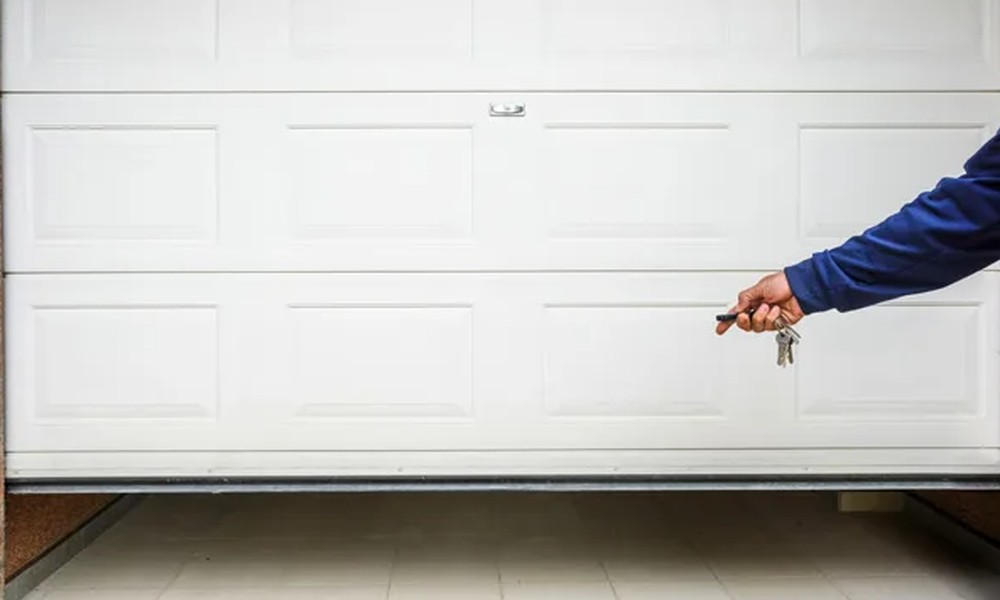
A garage door system does not usually fail without warning. It typically shows gradual signs of wear before major problems occur. Recognizing these early indicators can help homeowners avoid sudden breakdowns, improve safety, and reduce repair costs. Knowing what to look for is the key to keeping the system reliable.
Increasing Noise During Operation
One of the first signs of wear is noise. A garage door that becomes noticeably louder over time often indicates friction or mechanical strain. Grinding, squeaking, popping, or rattling sounds may point to worn rollers, loose hardware, or aging springs.
While some noise is normal, a sudden change in sound level should not be ignored. It often signals that components are no longer operating smoothly.
Slow or Irregular Movement
A healthy garage door should open and close at a steady, consistent speed. If the door starts moving slower than usual, hesitates, or stops mid-cycle, it may be experiencing wear in the motor, springs, or tracks.
Irregular movement, such as jerking or uneven lifting, is another sign that parts are struggling to function properly. These issues often worsen if not addressed early.
Visible Wear on Hardware and Parts
Physical inspection can reveal a lot about the system’s condition. Rust on metal components, frayed cables, or worn-out rollers are clear indicators of aging parts. Springs may also show gaps or stretching, which suggests loss of tension.
Even small signs of deterioration should be taken seriously, as they can quickly lead to more significant failures.
Door Feels Heavier Than Normal
If the garage door suddenly feels heavier when lifted manually, it may indicate that the springs are losing strength. Springs are responsible for balancing the weight of the door, and when they weaken, the system must work harder to operate.
This added strain can lead to faster wear on the opener and other components.
Uneven or Misaligned Door Position
A door that appears crooked, sags on one side, or does not sit evenly when closed may be experiencing balance or track issues. Misalignment puts extra stress on the system and can cause long-term damage if not corrected.
Frequent Repairs or Adjustments
If repairs are becoming more frequent, it is often a sign that the system is nearing the end of its reliable lifespan. Repeated issues with the same components suggest underlying wear that temporary fixes cannot fully resolve.
Sensor and Opener Issues
Malfunctioning safety sensors or an unresponsive opener can also indicate system deterioration. If the door behaves unpredictably-such as reversing unexpectedly or failing to respond consistently-it may be due to aging electrical components or wiring issues.
Recognizing the Need for Early Action
Understanding these warning signs allows homeowners to act before a complete failure occurs. Early maintenance or part replacement is often more cost-effective than emergency repairs or full system replacement.
Staying Ahead of Wear and Tear
A garage door system naturally wears down over time, but consistent inspections and timely repairs can significantly extend its lifespan. Paying attention to noise, movement, balance, and physical condition helps ensure the system remains safe, reliable, and functional for years to come.
This article was written by a professional at 1 Stop Garage Doors. We proudly serve homeowners and businesses with top-quality garage door spring repair Doffman, IL. We install premium doors and openers from trusted brands, ensuring reliability and customer satisfaction. Our expert team provides cost-effective solutions, arriving with fully stocked trucks to handle repairs on the spot, including torsion spring replacements, drum and roller fixes, and general maintenance to keep your garage door functioning smoothly.
