

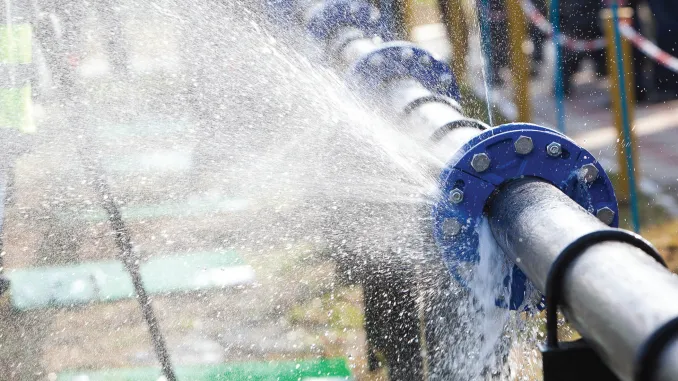
The decision to call a water leakage specialist often arrives at an unwelcome moment: when a mysterious damp patch spreads across a ceiling, when floorboards begin warping inexplicably, or when that faint musty odour refuses to dissipate despite every effort at ventilation. These professionals occupy a curious niche in the built environment, combining detective work with engineering knowledge to solve problems that homeowners cannot see but can certainly feel in their wallets and their stress levels.
The Science Behind Water Intrusion
Water possesses remarkable persistence. It exploits gravitational pull, capillary action, and hydrostatic pressure to find pathways through materials that appear solid to the human eye. Through microscopic pores in concrete, degraded sealant joints, or hairline cracks invisible without magnification, water migrates into structures where it triggers cascading problems that extend far beyond simple dampness.
The biological consequences prove particularly troubling. Within 24 to 48 hours of water exposure, mould spores present in nearly every indoor environment begin germinating. Species like Stachybotrys chartarum, commonly known as black mould, produce mycotoxins linked to respiratory problems, allergic reactions, and immune system suppression. Singapore’s National Environment Agency has documented rising concerns about indoor air quality related to moisture problems, making early detection and remediation matters of public health rather than mere property maintenance.
Professional Qualifications and Technical Knowledge
A qualified water leakage specialist brings multidisciplinary expertise that transcends simple plumbing knowledge. Their training typically encompasses building science fundamentals, materials chemistry, diagnostic technology operation, and remediation methodologies specific to various construction types.
Professional certifications in water damage restoration, building diagnostics, or specialised waterproofing technology distinguish serious practitioners from general contractors who merely claim leakage repair capability. In Singapore, many specialists pursue training accredited by the Building and Construction Authority or international bodies that establish competency standards across the field.
The knowledge base required proves surprisingly extensive:
- Material science understanding how different building materials respond to moisture exposure and which deterioration patterns indicate specific problems
- Building physics including vapour pressure dynamics, thermal bridging effects, and moisture migration pathways through building envelopes
- Diagnostic technology encompassing infrared thermography principles, moisture meter calibration, acoustic leak detection methodology, and tracer gas application techniques
- Remediation chemistry covering waterproofing membrane compatibility, injection resin properties, and surface preparation requirements for various repair materials
The Investigative Process
Modern leak investigation resembles forensic science more than traditional construction work. A water leakage specialist approaches each case systematically, gathering evidence through multiple methodologies before forming conclusions about water source and migration pathways.
Initial visual inspection provides baseline information about symptom locations, staining patterns, and potential entry points. However, visible damage often occurs far from actual water sources, as moisture travels along structural members, through wall cavities, or beneath flooring before manifesting where occupants notice problems.
Advanced diagnostic equipment reveals what eyes cannot detect. Thermal imaging cameras visualise temperature differentials caused by evaporative cooling where moisture accumulates. As one experienced water leakage specialist describes the technology, “We’re essentially making the invisible visible. That dark blue patch on the thermal image represents trapped moisture that might otherwise require demolishing entire walls to locate.”
Moisture meters quantify water content in building materials, distinguishing between surface dampness and deep saturation that indicates chronic problems. Acoustic listening devices detect the distinctive sound signatures produced by pressurised water escaping from concealed pipes, guiding repairs to precise locations whilst minimising destructive investigation.
When Professional Intervention Becomes Essential
Homeowners frequently attempt DIY solutions before recognising that water problems demand professional expertise. Several indicators suggest that calling a water leakage specialist has moved from optional to urgent:
- Persistent dampness that returns after attempted repairs, indicating unresolved source issues rather than symptom treatment
- Unexplained water bill increases suggesting hidden pipe leaks that waste water whilst damaging structures
- Visible mould growth particularly dark discolouration or fuzzy growth patterns indicating established colonies
- Structural damage including concrete spalling, timber rot, or plaster delamination caused by prolonged moisture exposure
- Multiple leak locations pointing toward systemic problems with waterproofing systems or drainage infrastructure
- Post-renovation leakage where new work has inadvertently compromised existing waterproofing or created new vulnerability points
The Singapore context adds particular urgency. Tropical humidity levels maintaining 80 percent relative humidity year-round accelerate mould growth and material degradation. Intense rainfall during monsoon seasons tests building waterproofing systems beyond what moderate climates demand, making professional assessment valuable for prevention rather than merely remediation.
The Economics of Early Intervention
Research into water damage progression reveals troubling mathematical realities. A minor leak costing several hundred dollars to repair professionally can, if ignored, escalate into structural repairs requiring tens of thousands of dollars within months. The compounding effect stems from secondary damage: corroded reinforcement steel weakening concrete, rotted timber framing compromising structural integrity, and extensive mould contamination requiring professional remediation.
Insurance implications add another dimension. Many policies exclude damage resulting from long-term neglect or maintenance failures, making timely professional intervention not merely prudent but financially necessary to maintain coverage validity.
Protecting Health and Property
The evidence base surrounding water damage has grown substantially over recent decades, transforming leak repair from construction trade work into a discipline touching public health, building science, and environmental quality. Engaging a qualified water leakage specialist when problems emerge represents not excessive caution but appropriate response to threats affecting both property values and occupant wellbeing in ways that careful research has only recently begun fully documenting.
